
Introduction: Installation Is a Business Decision, Not a Technical Detail
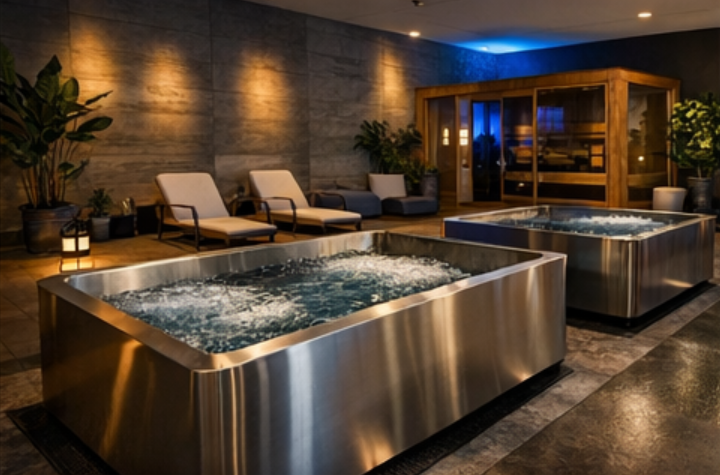
For gyms, recovery studios, sports teams, and wellness facilities, installing a commercial ice bath system is not simply a technical task. It is a business decision that directly affects safety, operating costs, equipment lifespan, and user experience.
Many performance issues commonly attributed to the ice bath machine itself—unstable water temperature, frequent shutdowns, excessive noise, or premature component failure—are in fact caused by improper installation or poor site planning. In commercial environments with high usage frequency, these issues are amplified.
This guide outlines the core installation requirements for commercial ice bath systems and highlights the most common mistakes facility owners should avoid before installation begins.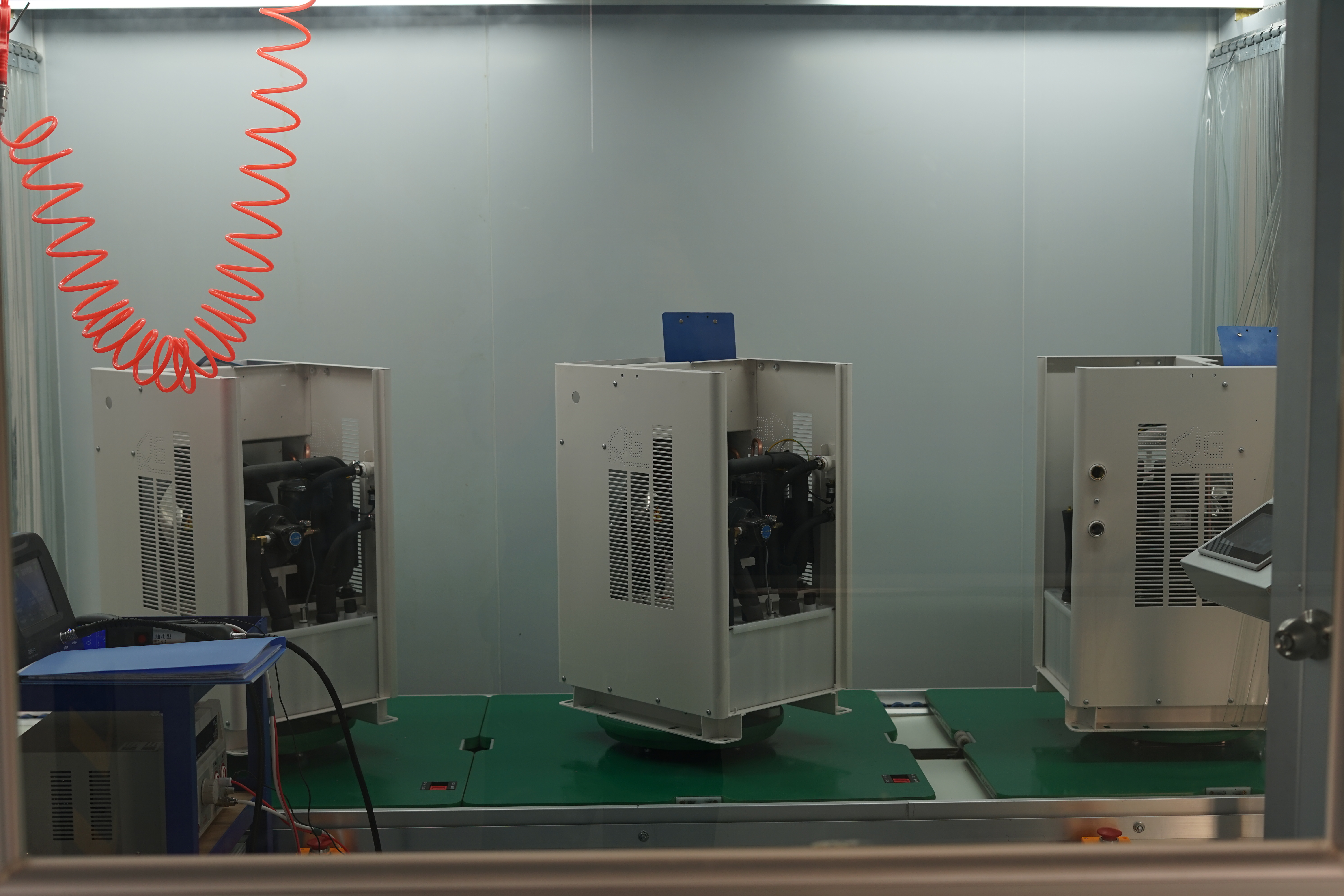
1. Space Planning and Floor Load Requirements
A fully filled commercial ice bath system is significantly heavier than it appears. Water alone weighs approximately 8.34 lbs (3.78 kg) per gallon, and once the tub, chiller, plumbing, and user weight are included, total loads can easily exceed 900–1,200 kg.
Key planning considerations include:
Installing on ground-level concrete slabs whenever possible
Verifying floor load capacity for upper-floor installations
Ensuring the load is evenly distributed rather than concentrated on small contact points
Allowing adequate clearance for airflow and maintenance access
Installing a commercial ice bath without verifying structural capacity can lead to long-term building damage or forced relocation after installation.
2. Electrical and Power Requirements
Commercial ice bath systems operate in wet environments and under continuous thermal load. Electrical planning must prioritize both safety and stability.
Best practices for commercial installations:
Use a dedicated power circuit exclusively for the ice bath system
Avoid shared outlets or extension cords
Commercial systems typically require 220–240V power for stable operation
Ground-fault protection (GFCI/RCD) is essential
Hardwired connections are recommended for higher-capacity systems
Inadequate power supply or improper grounding is one of the most common causes of nuisance tripping, system shutdowns, and long-term electrical issues.
 3. Ventilation and Heat Management
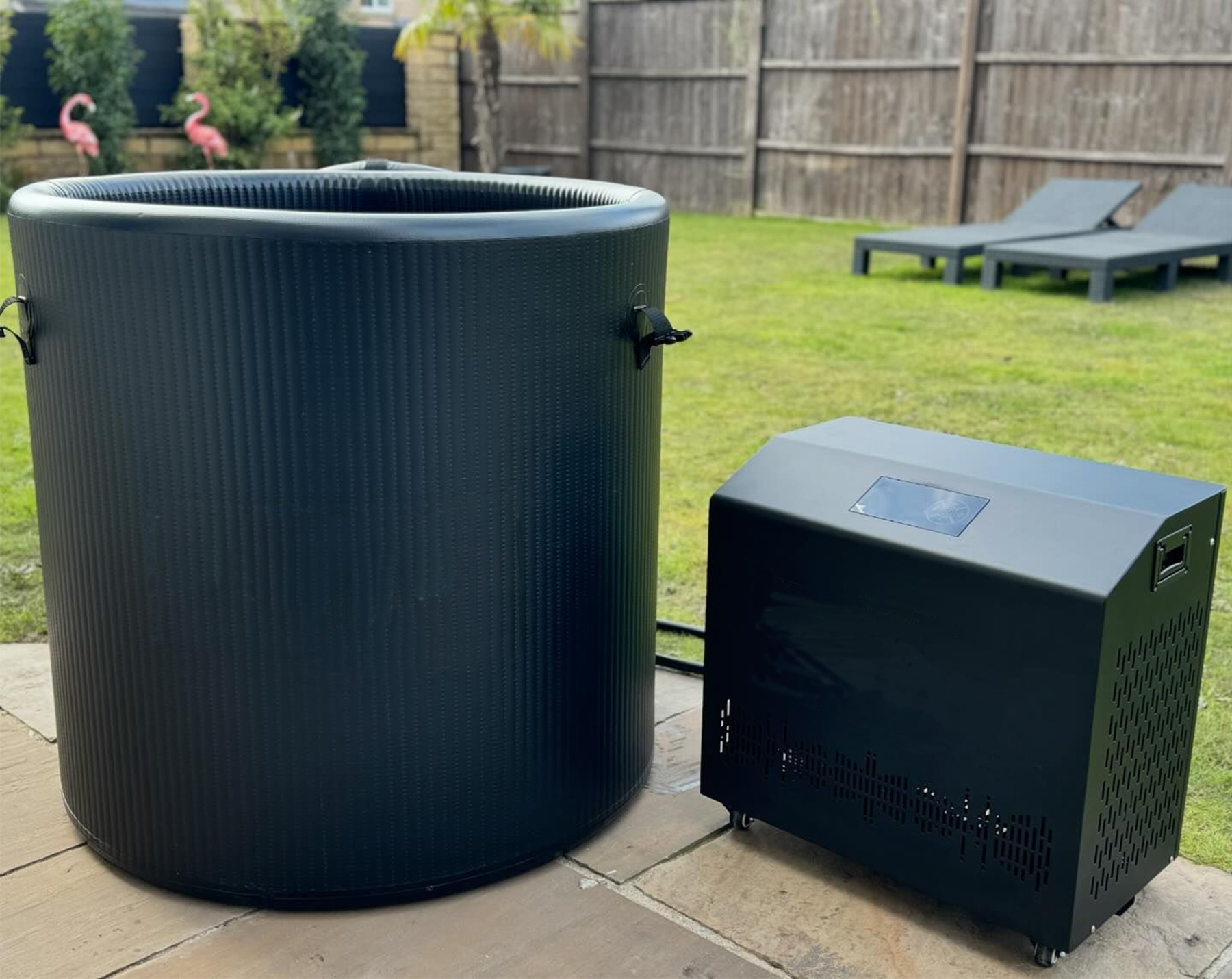
Ice bath chillers do not create cold—they remove heat from the water and release it into the surrounding environment. In commercial settings, insufficient ventilation is a frequent and costly mistake.
Important ventilation considerations:
Do not install chillers in sealed cabinets or closets
Maintain manufacturer-recommended clearance around air intakes and exhausts
Ensure adequate airflow in indoor installations
Consider mechanical exhaust or split-system designs for enclosed spaces
Poor heat dissipation leads to reduced cooling efficiency, increased energy consumption, and premature compressor failure.
4. Water Supply, Drainage, and Hygiene
Commercial facilities require regular water replacement to maintain hygiene standards, especially in shared-use environments.
Recommended infrastructure includes:
Access to a potable water source for filling
Backflow prevention where required
Floor drains or floor sinks capable of handling full-volume discharge
Drainage slopes that prevent standing water around the installation area
Relying on gravity drainage through hoses is inefficient and often unsuitable for professional facilities.
5. Flooring, Waterproofing, and Slip Resistance
Ice bath zones should always be treated as wet areas. Water splash, condensation, and foot traffic create slip risks if surfaces are not properly designed.
Minimum requirements include:
Waterproof flooring systems
Slip-resistant surfaces rated for wet, barefoot use
Proper perimeter drainage
Standard gym rubber flooring may become hazardous when saturated and is not always suitable for ice bath installations.
6. Common Commercial Ice Bath Installation Mistakes
Based on real-world commercial installations, the following mistakes occur most frequently:
Installing the chiller in enclosed or unventilated spaces
Underestimating electrical load and sharing circuits
Ignoring drainage planning until after installation
Failing to account for heat rejection in indoor environments
Placing equipment without maintenance access
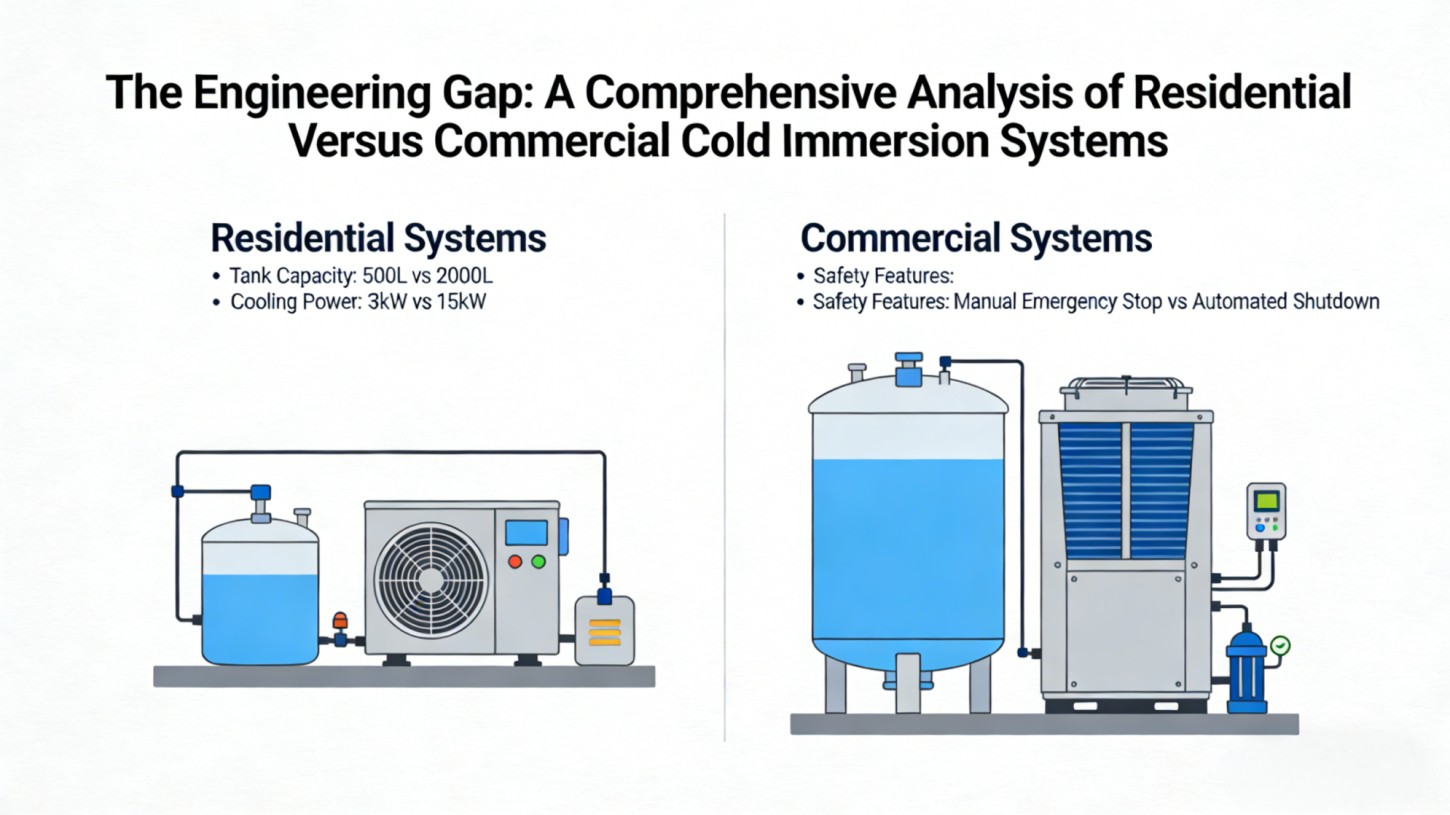
Treating commercial systems like home ice baths
Overlooking condensation management on cold piping
Most long-term performance problems are rooted in these preventable planning errors rather than equipment defects.
7. How Proper Installation Reduces Long-Term Costs
Correct installation directly affects total cost of ownership. Proper site planning can:
Improve cooling efficiency
Reduce energy consumption
Extend component lifespan
Minimize downtime and service calls
Improve user safety and satisfaction
From a business perspective, installation quality has a measurable return on investment.
8. Pre-Installation Checklist for Facility Owners
Before installing a commercial ice bath system, confirm the following:
Floor load capacity has been verified
Dedicated electrical supply is available
Ventilation requirements are met
Drainage infrastructure is in place
The surrounding area is waterproof and slip-resistant
Maintenance access is unobstructed
Addressing these items in advance prevents costly retrofits and operational disruptions.
Conclusion: Plan Installation as a Long-Term Asset
A commercial ice bath system is a long-term operational asset, not a temporary amenity. Installation quality directly impacts safety, operating efficiency, and equipment longevity.
Facilities that treat installation as part of the overall investment—rather than an afterthought—consistently experience better performance, lower operating costs, and fewer operational issues over time.
Working with an experienced commercial ice bath manufacturer that understands real-world installation conditions is often the most effective way to ensure long-term success.
 Ready to Plan Your Commercial Ice Bath Installation?
At Quanguan, we work directly with gyms, recovery studios, and professional facilities to ensure commercial ice bath systems are installed correctly from day one. With hands-on manufacturing experience and a deep understanding of real-world installation challenges, our team helps clients avoid common mistakes, reduce long-term operating costs, and achieve stable, reliable performance.
If you are planning a commercial ice bath installation or evaluating system requirements for your facility, contact Quanguan to discuss your project and get practical guidance tailored to your space and usage needs.