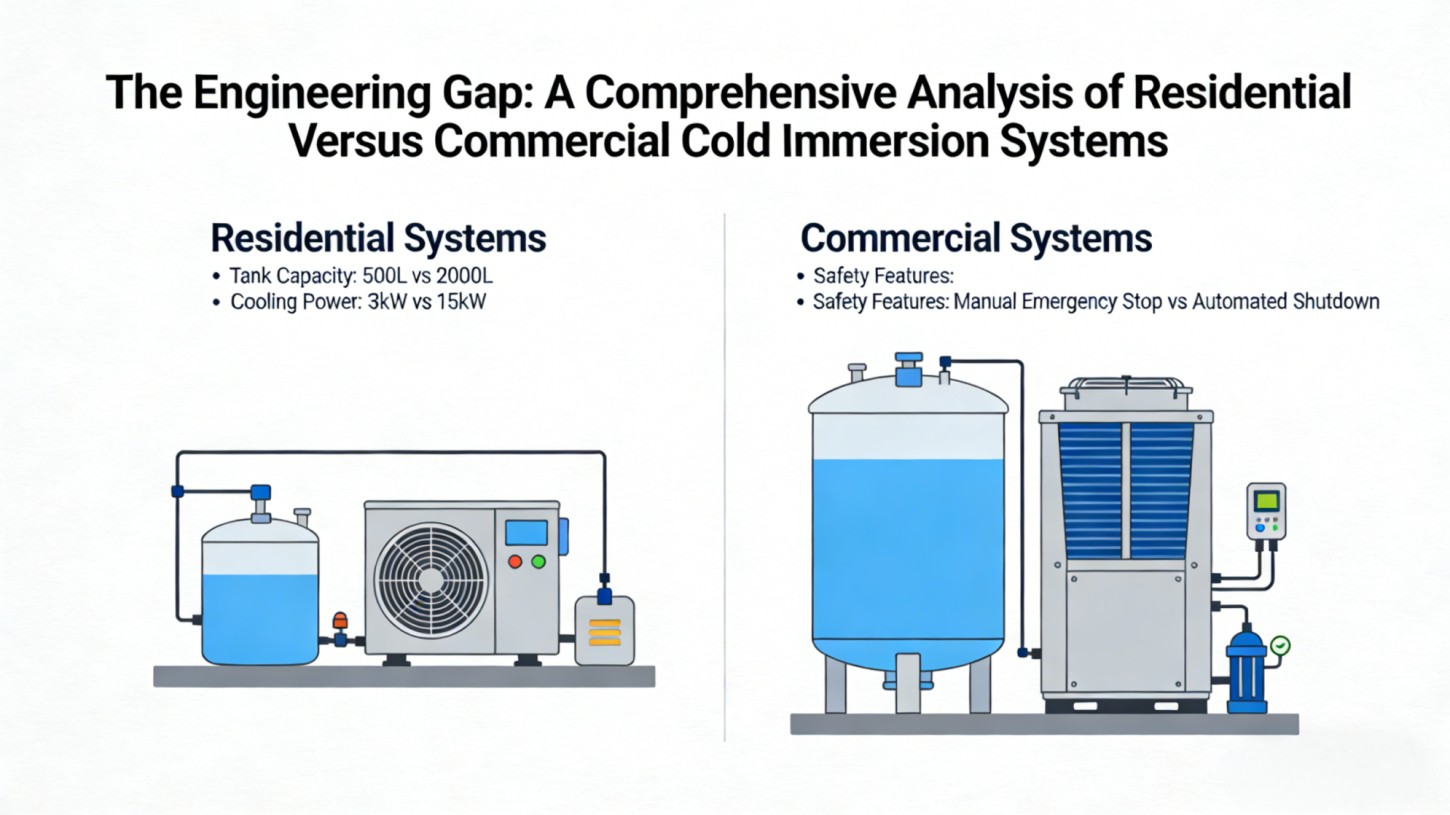

Introduction: Growth of the commercial ice bath distribution market

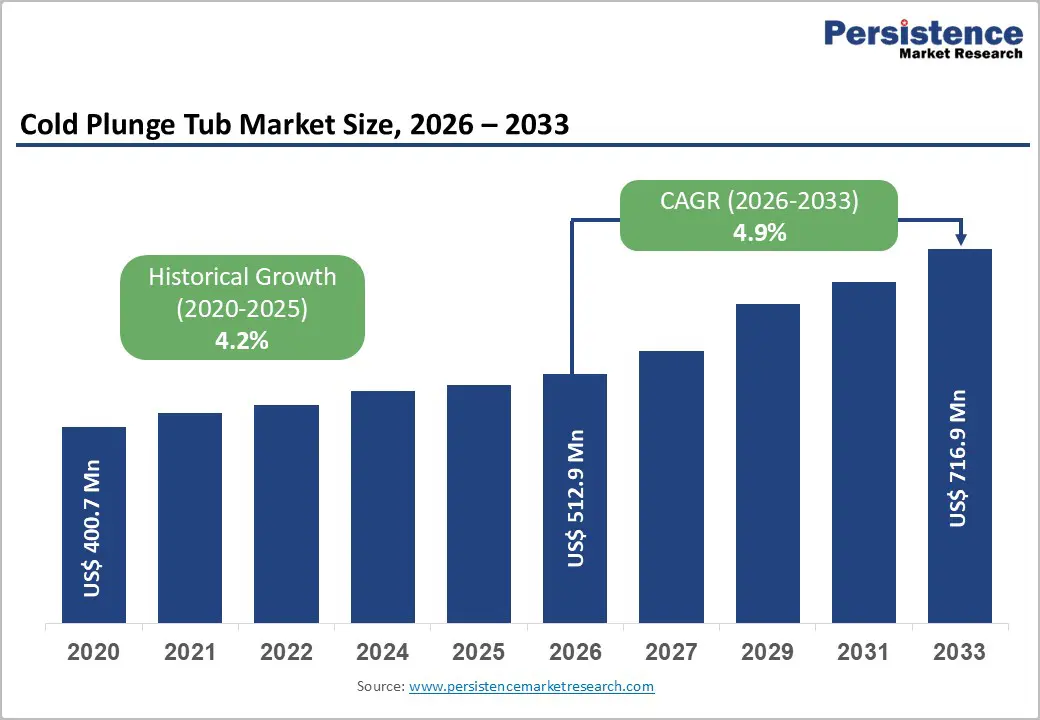
The global market for temperature contrast and hydrotherapy equipment is undergoing a profound structural transition. Evolving rapidly from a niche athletic recovery tool into a foundational amenity within the mainstream hospitality and fitness industries, the sector presents a highly lucrative frontier for B2B supply chains. Macroeconomic market analysis projects the global cold plunge and ice bath sector to expand from a valuation of USD 330.58 million in 2024 to approximately USD 659.86 million by 2033, representing a robust compound annual growth rate (CAGR) of 8.1% over the forecast period.This economic trajectory is driven by surging consumer demand for premium wellness experiences, prompting facilities to aggressively upgrade their recovery infrastructure.
Crucially for the modern commercial ice bath distributor, the enterprise segment overwhelmingly dictates this market's financial gravity, accounting for an estimated 81.3% of the total global market share in 2024.This concentration reveals a stark operational reality: the most sustainable revenue streams do not originate from direct-to-consumer residential transactions, but rather from equipping high-traffic, professional environments. Boutique fitness studios, luxury resorts, commercial real estate developments, and professional sports training centers are actively abandoning labor-intensive, manual ice-filling practices in favor of technologically advanced, self-contained chilling and filtration systems.
For supply chain partners, this shift from consumer goods to commercial capital equipment redefines the requisite business model. Distributors are no longer merely moving boxed inventory; they must operate as consultative infrastructure providers capable of managing complex site planning, prolonged procurement cycles, and rigorous after-sales support protocols.Navigating this evolving landscape requires a nuanced understanding of B2B partnership structures, rigorous evaluation of manufacturing competencies, and the implementation of strategies that prioritize total lifecycle value over initial acquisition costs.
Common distribution models (direct sales, regional distributors, project-based supply)
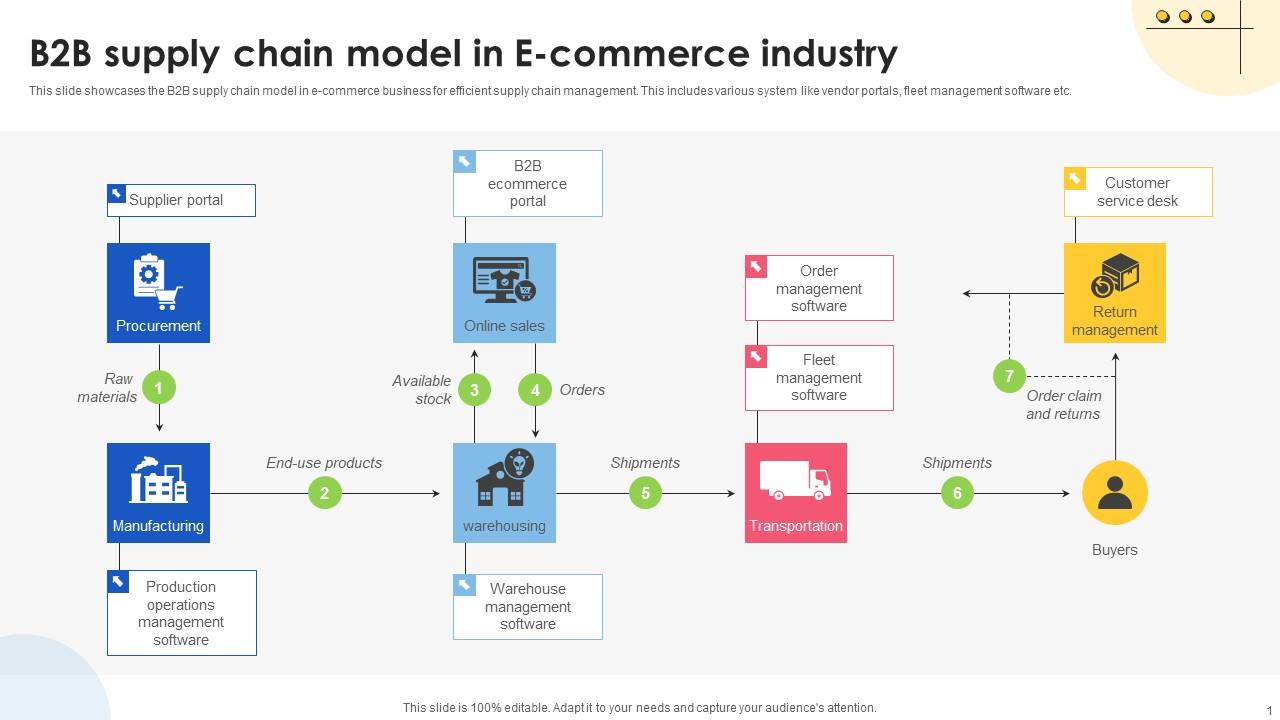
The architecture of a distribution business heavily relies on the chosen route-to-market. The pathway from the manufacturing floor to the final commercial installation is rarely uniform, and businesses must carefully align their operational capabilities with the appropriate supply chain structure. Within the wellness equipment sector, three dominant frameworks characterize the modern ice bath distribution model.
The direct sales and exclusive territorial agency model represents the most tightly controlled approach to market entry. Under this framework, a manufacturer grants a single entity the sole right to import, market, and distribute their equipment within a defined geographic jurisdiction. For the distributor, exclusivity provides a protected operational environment free from intra-brand price wars, allowing for dedicated capital investment in localized marketing, showroom infrastructure, and specialized field service teams without the threat of horizontal channel conflict. The manufacturer benefits from a highly committed partner acting as a localized extension of their corporate entity. However, this model requires significant upfront capital commitments, typically involving strict minimum order quantities (MOQs) and aggressive annual growth targets that dictate the retention of exclusivity rights.
Conversely, the non-exclusive, regional distributor model allows manufacturers to authorize numerous wholesalers and specialized resellers within the same territory. This approach accelerates brand visibility and lowers the barrier to entry for the reseller, as MOQ requirements are generally less stringent, and the financial risk is distributed across a broader portfolio of equipment brands. The inherent challenge of this model lies in the heightened risk of price degradation. When multiple distributors offer identical commercial systems to the same demographic of gyms and hotels, the primary differentiating factor rapidly becomes the price, potentially compressing margins and eroding the perceived premium value of the equipment.
Finally, the project-based supply and architectural integration model is gaining immense traction within the high-end hospitality and commercial real estate sectors. Distributors operating under this model do not sell standalone units; they integrate hardware into broader facility designs. These B2B partners collaborate directly with architects, interior designers, and real estate developers, utilizing spatial planning tools to specify exact plumbing routes, floor loading capacities, and ventilation requirements long before construction commences. This model frequently involves navigating complex institutional tender bidding processes, where purchasing decisions are dictated by comprehensive compliance certifications and long-term service agreements.
Distribution Model | Capital Requirement | Market Control | Primary B2B Target Audience |
Exclusive Territorial Agency | High (Strict MOQs, dedicated inventory) | High (Protected pricing, no horizontal competition) | Large commercial fitness chains, regional franchises |
Non-Exclusive Regional Reseller | Low to Medium (Flexible MOQs, shared inventory) | Low (Vulnerable to cross-channel price undercutting) | Independent boutique gyms, standalone wellness centers |
Project-Based Architectural Supply | Variable (Project-dependent funding) | Very High (Custom specifications lock out competitors) | Luxury hospitality, institutional real estate, high-end spas |
Profit margins and revenue streams in commercial ice bath distribution
Evaluating commercial ice bath margins requires analyzing the holistic financial ecosystem of capital equipment sales rather than isolated retail markups. The profitability of an equipment distributor is determined by a continuous interplay of gross hardware margins, recurring service revenues, and stringent control over operational expenditures. In the broader commercial fitness equipment industry, standard distribution margins typically range from 15% to 30% of the final sales price, depending heavily on the distributor's position in the value chain and purchasing volume. However, commercial recovery equipment often allows distributors to command margins at the higher end of that spectrum due to the robust return on investment (ROI) it generates for the end-user.
To comprehend the pricing power held by the distributor, one must examine the economic reality of the commercial facility. For a boutique gym or wellness spa, integrating a commercial cold plunge system transforms underutilized square footage into a highly predictable revenue center. Facilities typically employ per-session pricing models, charging patrons anywhere from USD 10 to USD 25 for a standard session, or bundling the service into premium monthly membership add-ons ranging from USD 30 to USD 100. Because a well-engineered commercial system accommodates high client throughput with rapid temperature recovery, the facility can achieve rapid amortization of their capital investment, often realizing a complete payback within six to twelve months. When a distributor demonstrates this facility-level ROI, the conversation shifts from the absolute cost of the equipment to the velocity of the facility's cash flow, effectively insulating the distributor's gross margin.
Beyond the initial hardware transaction, the most sophisticated distributors architect their business models to capture recurring B2B revenue streams. Commercial ice baths are dynamic mechanical systems that rely on continuous water circulation, active refrigeration cycles, and rigorous sanitation processes. This operational reality creates a captive market for ongoing maintenance and consumables. Distributors can significantly elevate their Average Order Value (AOV) and stabilize their cash flow by attaching comprehensive Service Level Agreements (SLAs) to every commercial installation. These maintenance contracts generally encompass scheduled preventative maintenance, priority emergency repair dispatch, and regular replacement of proprietary filtration cartridges and water sanitation chemicals. Establishing a formalized service contract binds the commercial client to the distributor for the lifespan of the equipment, generating predictable Monthly Recurring Revenue (MRR) that inherently carries a higher net profit margin than the baseline hardware sale.
Key cost factors and risks for distributors
While the revenue potential is substantial, operating a commercial ice bath wholesale entity involves navigating severe logistical, technical, and liability-related risks. A failure to accurately map the Total Cost of Ownership (TCO) for the distribution operation can rapidly erode the impressive gross margins captured at the point of sale. TCO in this context extends far beyond the manufacturer's invoice price; it encompasses international freight, warehousing overhead, and the unpredictable expenses associated with reverse logistics and warranty fulfillment.
Logistics and transportation represent the most immediate vulnerability in the supply chain. Commercial chillers are heavy, delicate pieces of electromechanical equipment containing pressurized refrigerant lines, sensitive printed circuit boards, and intricate copper piping. The rigors of global freight—encompassing containerized sea transport and final-mile delivery—expose these units to significant physical stress. Inadequate shockproof packaging routinely results in transit damage, such as shattered caster wheels, ruptured copper piping leading to complete refrigerant evacuation, and internal component displacement. For the distributor, a unit damaged in transit represents a multifaceted financial loss: the raw cost of the inventory, the localized expense of deploying a technician to diagnose the fault, the administrative burden of filing freight insurance claims, and the immeasurable damage to the distributor's brand reputation when an installation is delayed.
The post-installation environment introduces a secondary layer of severe financial risk, primarily driven by user error and environmental incompatibility. Despite clear operational guidelines, commercial facility staff frequently mishandle the equipment. Unsealed plumbing connections introduce air into the circulation system, while operating the chiller without adequate water levels causes the primary circulation pump to run dry, rapidly destroying the internal mechanics. Furthermore, the ambient environment dictates the lifespan of the compressor. Deploying a standard chiller in a poorly ventilated, high-temperature commercial pump room forces the compressor to run continuously under extreme load, dramatically shortening its operational lifespan.
Liability and insurance overhead further compound operational expenditures. Distributing commercial equipment that involves water, electricity, and extreme temperatures operating in proximity to human users necessitates rigorous risk management protocols. Distributors must carry comprehensive commercial general liability and product liability insurance to protect against claims arising from equipment malfunction or property damage, such as major water leaks destroying facility flooring.
The role of manufacturer support (OEM, technical docs, spare parts, warranty)

The mitigation of operational risks relies almost entirely on the depth and quality of the supply chain partnership. The distinction between a transactional offshore factory and a strategic manufacturing partner is defined by the infrastructure they provide to support the distributor's localized operations. A reliable OEM ice bath manufacturer operates as an invisible extension of the distributor's enterprise, providing proactive technical support, supply chain transparency, and stringent quality assurance.
The foundational element of manufacturer support is vertical integration. A manufacturer that handles all processes in-house—from raw sheet metal fabrication and acrylic thermoforming to PCB assembly and final full-unit aging tests—exercises total control over the supply chain. This integration eliminates the cascading delays and quality control blind spots inherent in outsourced assembly operations. For the distributor, this translates to reliable lead times, consistent build quality, and the ability to scale order volumes rapidly without compromising mechanical integrity. Furthermore, true OEM partnerships allow the distributor to operate as an independent brand owner, with the factory producing customized exterior casework and proprietary control panel interfaces tailored to the distributor's specific market demographic.
Equally critical is the provision of exhaustive technical documentation. Commercial distributors require highly detailed engineering datasheets rather than consumer marketing brochures. A competent manufacturer supplies comprehensive schematics detailing exact power draw, floor loading weights, cooling curve performance charts, and precise plumbing specifications. This documentation empowers the distributor to interface effectively with facility architects, electrical contractors, and municipal health inspectors during the site planning phase.
The management of spare parts inventory and warranty administration serves as the ultimate litmus test for a manufacturer's commitment. In high-traffic commercial environments, component wear is inevitable. A premium manufacturer anticipates this attrition by maintaining a rapidly deployable inventory of critical replacement parts, such as circulation pumps and PCB controllers. By backing their equipment with a comprehensive commercial warranty and facilitating frictionless claim processing, the manufacturer effectively underwrites the distributor's operational risk, allowing the B2B partner to confidently bid on large-scale institutional projects.
Pricing stability and channel conflict management
As a distribution business scales, the management of pricing parity becomes an existential imperative. Channel conflict arises when identical commercial systems are introduced to the market through various distribution vectors at wildly disparate price points. This friction typically manifests as horizontal conflict, where multiple authorized resellers aggressively undercut one another to secure local facility contracts. Left unmanaged, horizontal channel conflict rapidly triggers a race to the bottom, obliterating profit margins and severely degrading the premium brand equity required to sell high-ticket commercial recovery equipment.
To prevent market cannibalization, sophisticated manufacturers and master distributors implement and rigorously enforce Minimum Advertised Price (MAP) policies. A MAP policy is a unilateral declaration that establishes the absolute floor price at which a product can be publicly advertised across digital storefronts and traditional print media. A well-crafted MAP policy dictates the advertised price, not the final transactional sale price, ensuring compliance with antitrust regulations while successfully preventing public devaluation.
The enforcement of MAP policies requires strict operational discipline. Effective networks utilize automated digital monitoring software that continuously crawls e-commerce platforms and third-party marketplaces to detect price violations. When a violation is detected, the enforcement protocol must be dispassionately applied. Industry best practices suggest a tiered escalation framework: an initial friendly notice, followed by a formal warning, the suspension of inventory allocation, and ultimately, the termination of the reseller agreement. Beyond punitive enforcement, proactive channel management strategies—such as engineering localized product variations or offering exclusive equipment bundles—ensure that partners are not forced to compete on identical stock keeping units (SKUs), fostering a collaborative ecosystem.
What separates short-term suppliers from long-term partners
For a B2B entity, the process of selecting a manufacturing partner dictates the ultimate ceiling of their business growth. The market is currently populated by opportunistic assemblers seeking to capitalize on acute demand. These short-term suppliers are characterized by their reliance on off-the-shelf, non-commercial components, opaque supply chains, and an absence of post-sale infrastructure. Partnering with such entities restricts a distributor's ability to penetrate the lucrative commercial sector, as the equipment will inevitably buckle under the stress of high-frequency facility usage.
Distinguishing a true long-term ice bath supplier partnership requires an evaluation of their engineering philosophy and commitment to regulatory compliance. A strategic manufacturer engineers their systems specifically for the realities of the commercial environment. This involves incorporating high-capacity, multi-stage filtration systems capable of handling heavy biological loads, and integrating advanced sanitation systems that maintain water quality without excessive reliance on harsh chemical additives. Furthermore, they utilize premium heat exchangers and robust continuous-duty pumps designed to maintain stable, precise water temperatures despite continuous thermal disruption from back-to-back user sessions.
Beyond hardware engineering, a long-term manufacturing partner acts as a regulatory consultant. Commercial facilities operate under the intense scrutiny of local health departments and municipal building codes. If a system lacks necessary electrical safety certifications or fails to meet commercial sanitation guidelines, the facility risks operational shutdown. Elite manufacturers preemptively solve these hurdles by designing equipment that aligns with global regulatory frameworks, providing the distributor with the exact documentation required to navigate complex local permitting processes.
How to build a scalable and profitable distribution business
Transitioning from a localized equipment reseller to a regional distribution powerhouse requires a strategic pivot from transactional selling to consultative operational integration. The most profitable distributors do not sell hardware; they sell predictable facility wellness solutions.
Scalability begins with rigorous market segmentation. A successful distributor carefully curates their offerings to match specific commercial avatars. The operational requirements of a high-volume functional fitness franchise vastly differ from those of an exclusive luxury hotel spa. The fitness franchise demands ultra-durable, rapid-cooling systems, while the luxury spa prioritizes whisper-quiet operation, bespoke architectural finishes, and seamless integration with existing thermal suites. By leveraging the flexible customization options of an OEM partner, the distributor can effectively dominate multiple discrete market segments without diluting their core brand identity.
Furthermore, scalable growth relies on mastering the institutional procurement process. Large-scale hospitality chains and municipal recreation centers rarely make decentralized purchasing decisions. Instead, they issue formal Requests for Proposals (RFPs) and comprehensive tender bidding documents. Distributors must build internal competencies in tender management, developing the ability to submit highly professional, technically exhaustive proposals that highlight total lifecycle costs, guaranteed uptime metrics, and comprehensive SLA frameworks. Winning a single institutional tender can secure the deployment of dozens of units simultaneously, establishing a formidable barrier to entry for smaller competitors.
Finally, true scale is achieved by optimizing the localized service network. As the installed base of equipment expands, the logistical burden of executing routine maintenance grows. Distributors must view their service department as a critical revenue generator. By implementing specialized field service management software, distributors can automate preventative maintenance scheduling and seamlessly manage contract renewals.This operational efficiency ensures that the recurring revenue streams generated by maintenance contracts yield maximum net profitability.
Conclusion: Choosing the right manufacturing partner for sustainable growth
The commercial ice bath distribution market represents a rare convergence of rapidly accelerating consumer demand, highly favorable facility-level economics, and a clear pathway to lucrative, recurring B2B revenue. However, the operational complexities of distributing heavy, technically sophisticated mechanical equipment create a volatile environment where logistical failures, channel conflict, and inadequate after-sales support can swiftly dismantle an underprepared business.
Sustainable growth in this sector is intrinsically linked to the caliber of the manufacturing partnership. Distributors must aggressively filter potential suppliers, demanding rigorous proof of vertical integration, commercial-grade engineering, and a structural commitment to localized channel support. A manufacturer that offers robust OEM customization, enforces disciplined MAP pricing policies, and provides exhaustive technical documentation is providing the foundational architecture upon which a scalable distribution enterprise is built. By securing such a partnership, distributors can confidently transition away from competing on unit price and focus entirely on delivering comprehensive, high-value infrastructure to the commercial wellness market, ensuring long-term profitability and entrenched market dominance.